The Cognitive Benefits of Ballet Training: A Guide for Ambitious Cairo Parents
For parents in Cairo prioritizing world-class cultural education, choosing an extracurricular activity for a child aged 4–12 is a significant decision. Ballet is often seen merely as a graceful activity, but at the Premier Ballet Academy (PBA), we understand it as a rigorous artistic discipline and a potent tool for cognitive and physical development.
Founded by Ahmed Yehya, Deputy Manager of the Cairo Opera Ballet Company, and Principal Dancer Anja Ahcin, PBA is built on the core strategic message: “Beyond a Hobby: Serious Ballet Training from Cairo’s Masters”. Our curriculum, which is the first in Egypt to follow the International Ballet School system (aligned with Russian Vaganova principles), is designed to nurture mental resilience, physical strength, and emotional expression.
This guide explores the profound mental and physical benefits of starting structured ballet training early—and how identifying a child’s potential now sets them on a pathway toward professionalism later.
I. Mental & Cognitive Benefits: Building Discipline and Focus
For young minds aged 4–12, ballet delivers far-reaching mental advantages that extend directly into academic performance and everyday life:
1. Enhanced Discipline and Attention Span
Ballet classes demand immediate responsiveness to musical cues and instructor corrections. Students must process complex sequences of movement and anatomical requirements while maintaining composure. This constant requirement for focus cultivates discipline, reinforcing the core philosophy of “limitless hard work”.
2. Superior Cognitive Skills
Ballet training is inherently bilateral: dancers must coordinate the left and right sides of the body while simultaneously counting musical beats and remembering choreography. This intense cognitive load builds strong neural pathways and improves working memory and sequencing abilities. These skills are essential for high achievement in learning and problem-solving.
3. Emotional Resilience and Confidence
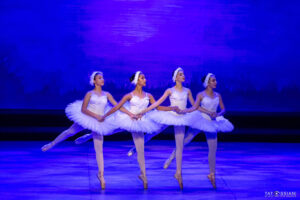
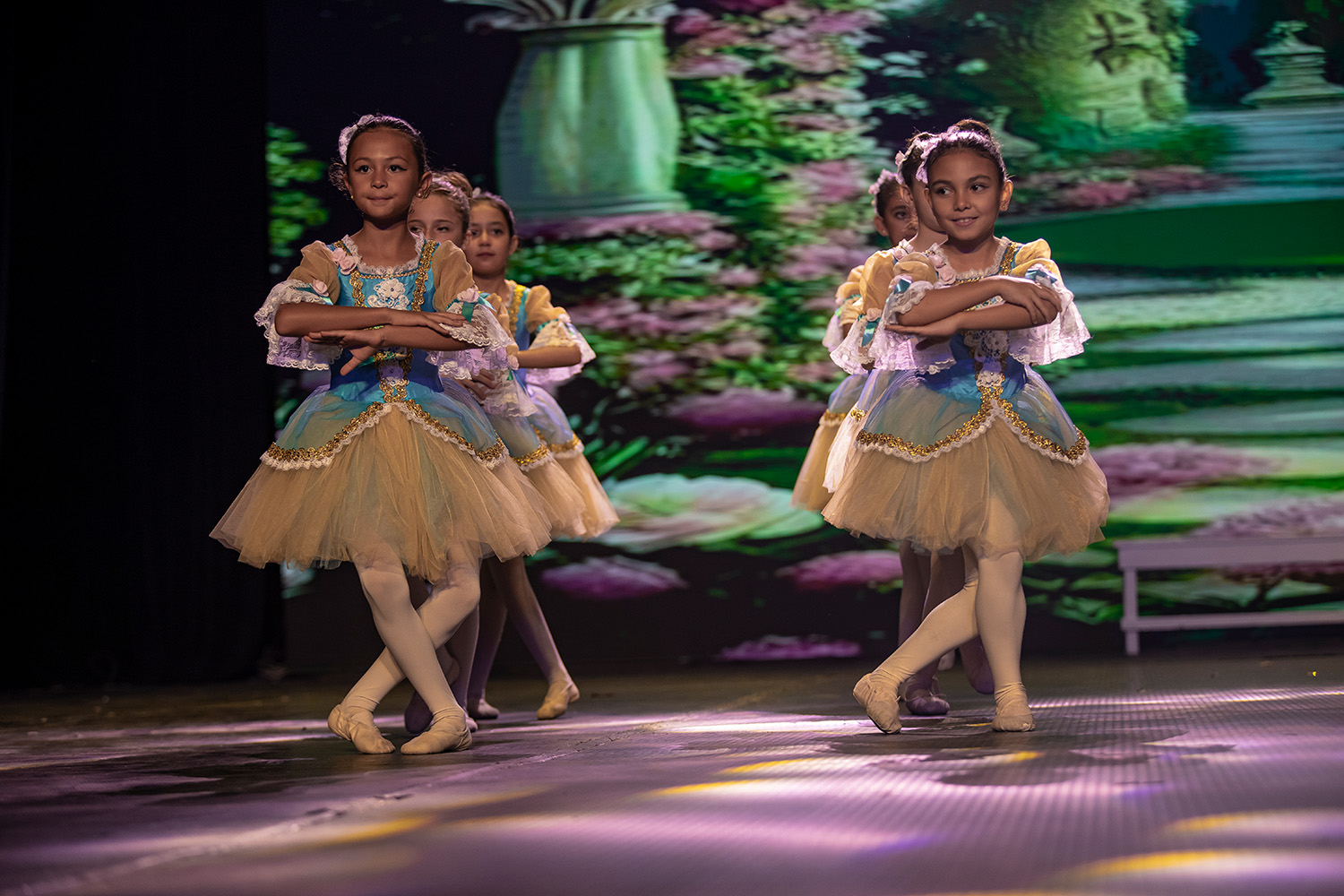
Performance opportunities, like our annual Nutcracker event at the Cairo Opera House Main Hall, push students to overcome stage fright and self-consciousness. The process of mastering difficult steps fosters confidence and provides a sense of achievement that translates into self-belief.
II. Physical Foundations: Why Early Training Matters (Ages 4–12)
The ages of 4 to 12 are crucial for building the technical foundation required for professional progression.
1. Core Strength and Posture
Ballet rigorously trains the deep core muscles essential for proper alignment and anatomical stability. Correct alignment, focusing on the safe nurturing of the human body, is the bedrock of the International Ballet School system we follow. This physical training minimizes the risk of injury while building the strength needed for advanced techniques like partnering and pointe work.
2. Flexibility, Strength, and Stamina
The curriculum at PBA includes specialized subjects like Fitness and PBT (Progressing Ballet Technique) to improve flexibility, strength, and stamina. Students learn that strength is required not just for performing explosive jumps (especially important for male dancers), but also for controlling delicate, precise movements.
3. Introduction to Comprehensive Artistic Subjects
Beyond classical technique, students complete their education with specialized artistic subjects such as:
- Repertoire Class: Learning original choreographies from famous ballets.
- Character Dance: Exploring international dance styles (Russian, Hungarian, Spanish, etc.).
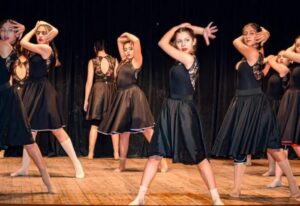
- Contemporary Dance: Improving coordination and freedom of movement.
III. When to Start: Identifying and Nurturing Potential
A primary concern for parents is knowing how to identify if their child can be a good ballet dancer so they can register early; the earlier a child registers, the more professional they can become.
The PBA Approach to Early Development:
Our program is structured to recognize and foster potential from the start:
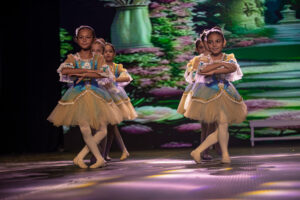
- Pre-Ballet Program (Ages 3–6): This stage is critical for instilling a foundation in rhythm, coordination, and imagination without the pressure of strict technique. It is structured across four levels.
- Ballet School (Age 7+): Students move into the ten-level system where they can choose the highly structured Professional Pathway (classes five times a week with a serious program) or the flexible Amateur (hobby) level.
The key indicator of potential is the child’s passion, focus, and ability to absorb and apply corrections.
IV. Why Choose Premier Ballet Academy? The Conversion Path
For serious parents, the choice of academy hinges on verifiable credentials and opportunities:
- Unmatched Authority: Our academy is the only private school leveraging the founders’ institutional authority, securing our students a direct professional pathway to performances at the Cairo Opera House Main Hall.
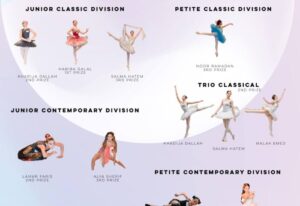
- Proven Track Record: PBA boasts an 85% successful achievement rate and is the most awarded school in the region nationally.
- Risk-Free Start: Unlike many other schools, we do not charge for the initial assessment, removing the financial barrier to entry.
- Financial Clarity: Enrollment is simple and transparent; the monthly fee is all-inclusive, covering all classes, activities, and performance costumes.
Book Your Free Assessment
If you are inspired by the transformative impact and professional potential that elite ballet training offers your child, the time to begin is now.
Secure your child’s future by booking a free assessment with one of Cairo’s masters today.